English
 Deutsch
 Español
 Tiếng Việt
 русский
 عربى
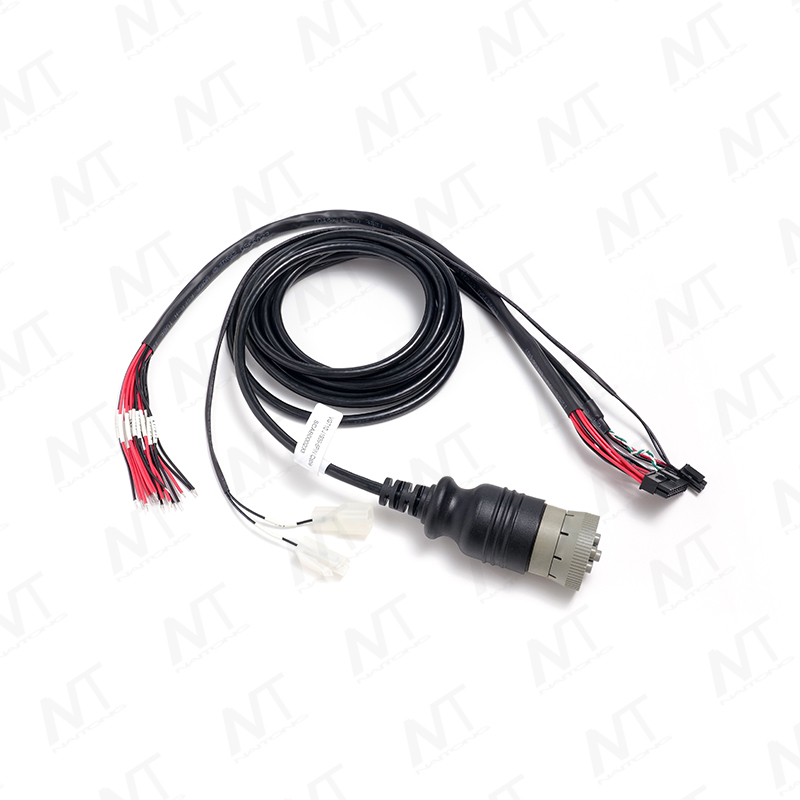
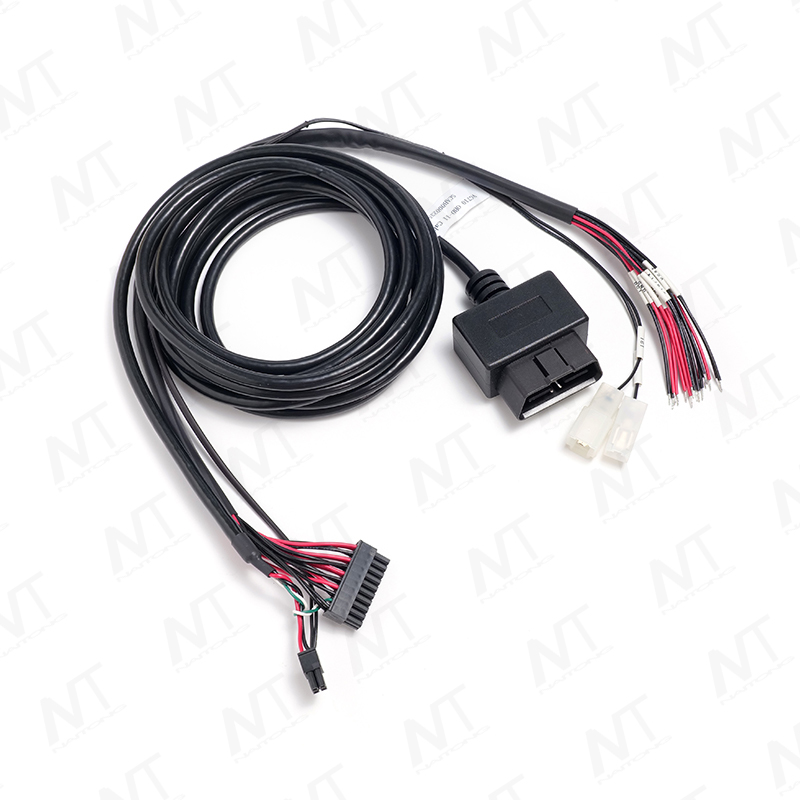
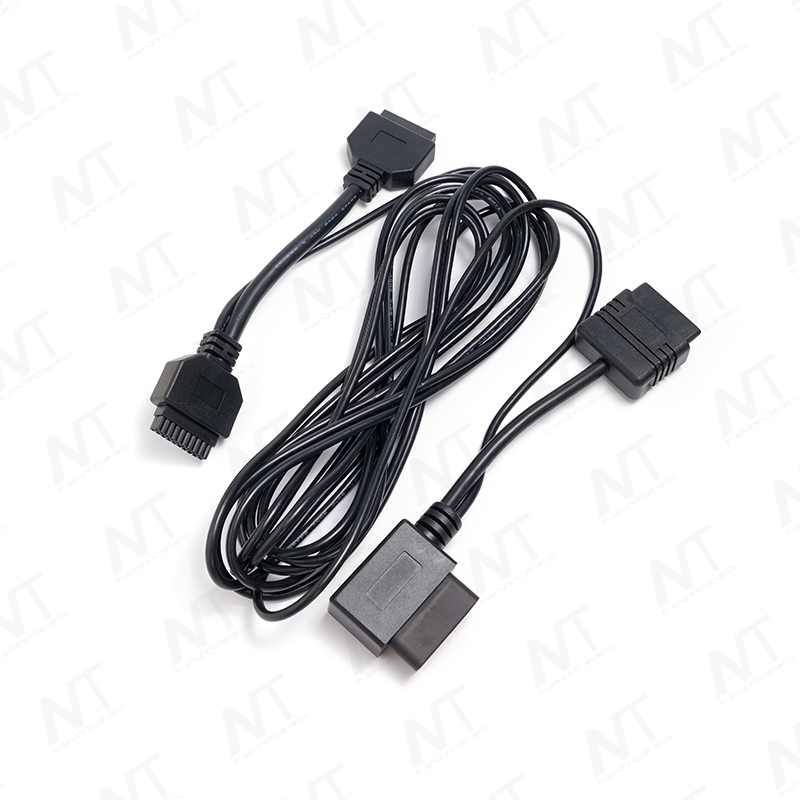
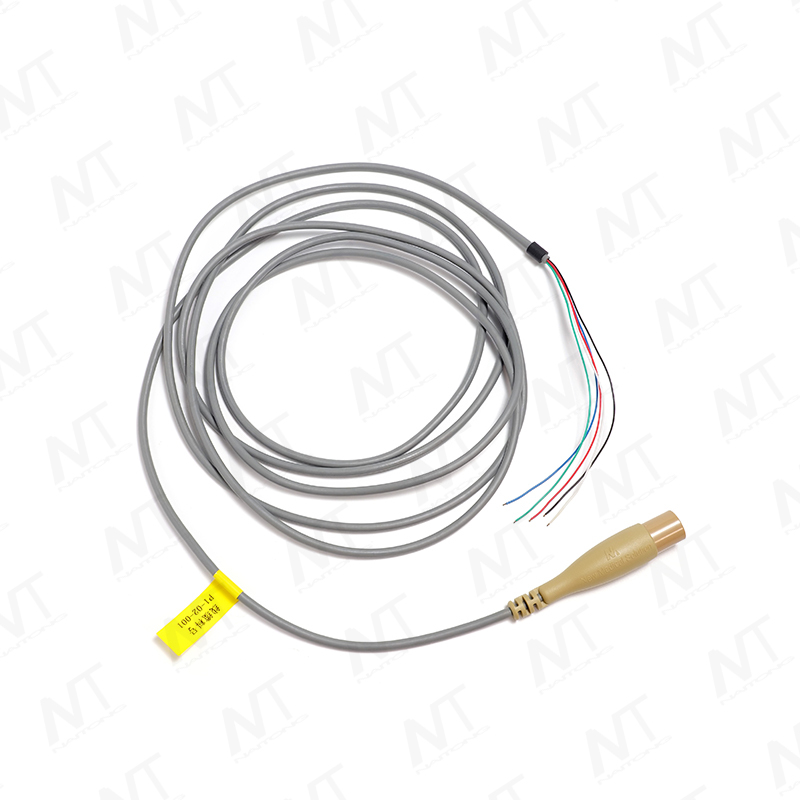
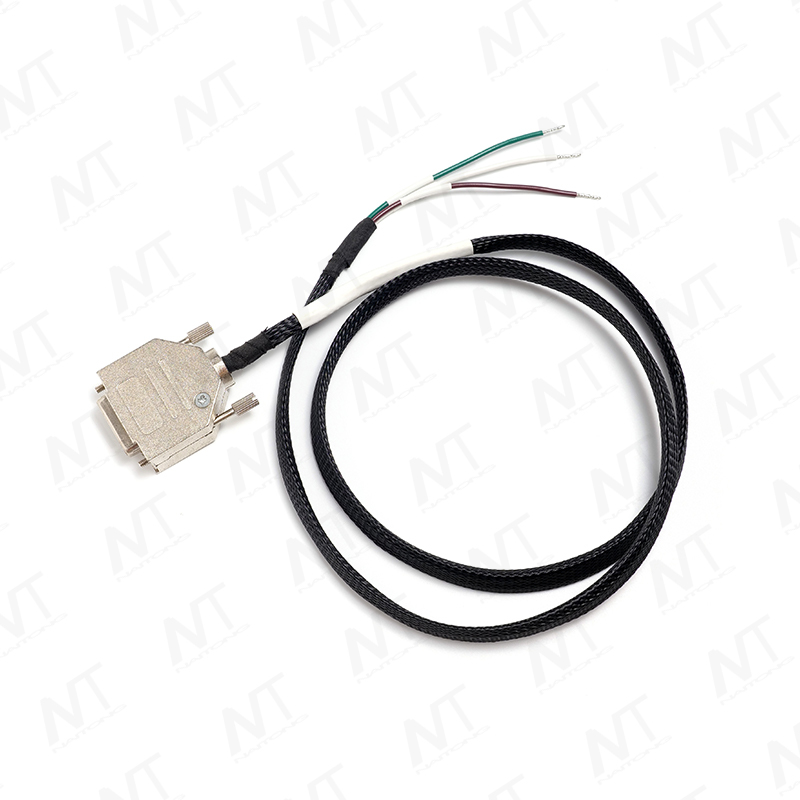
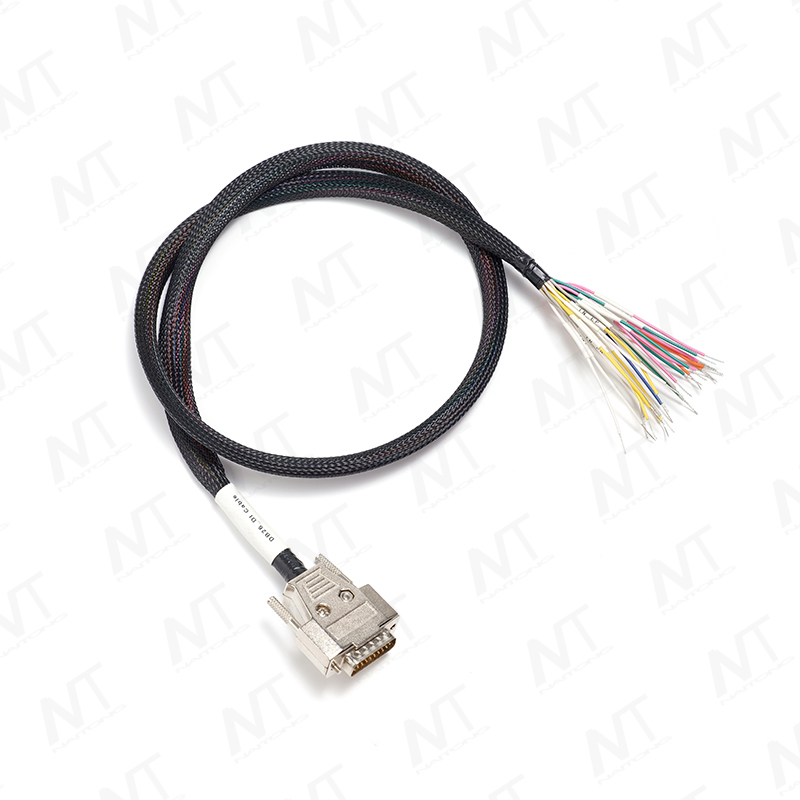
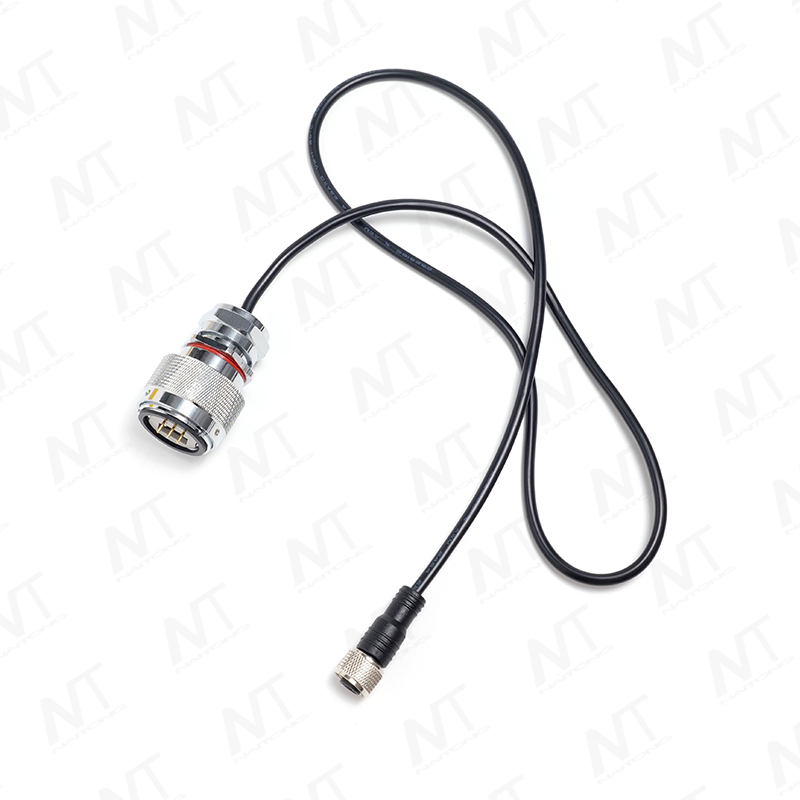
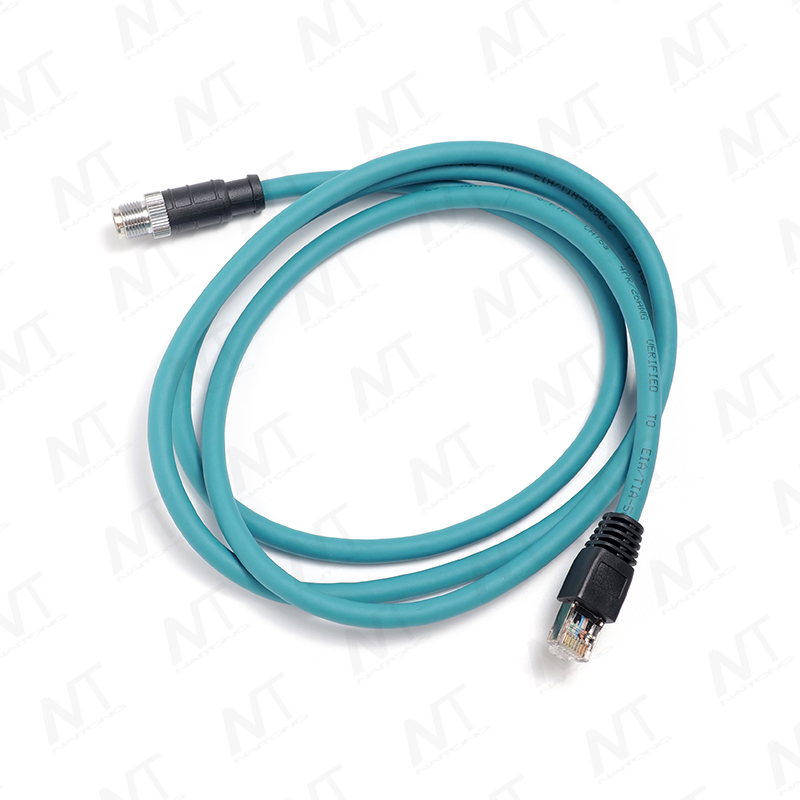
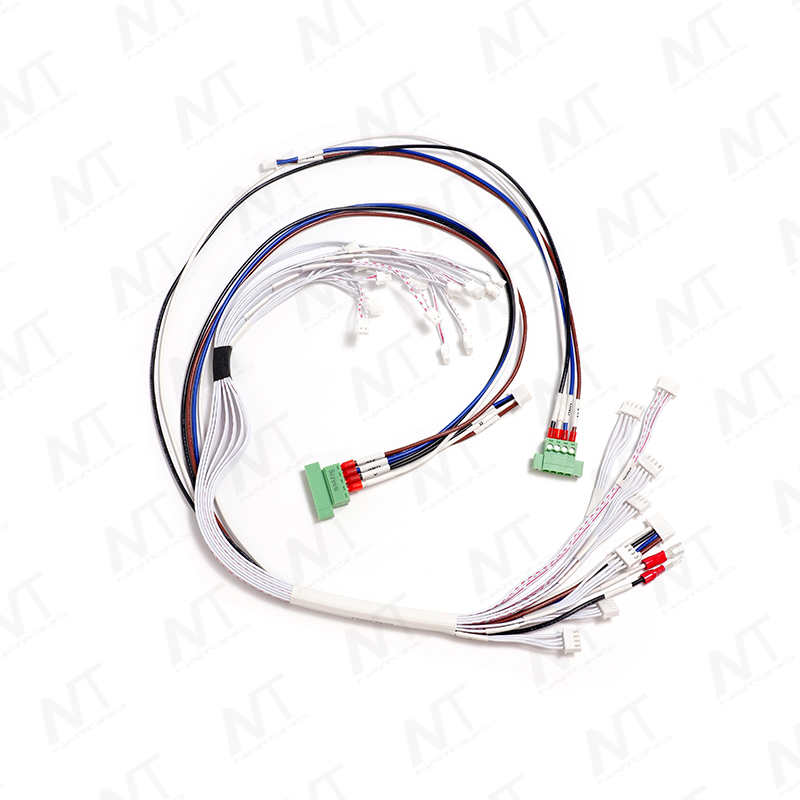
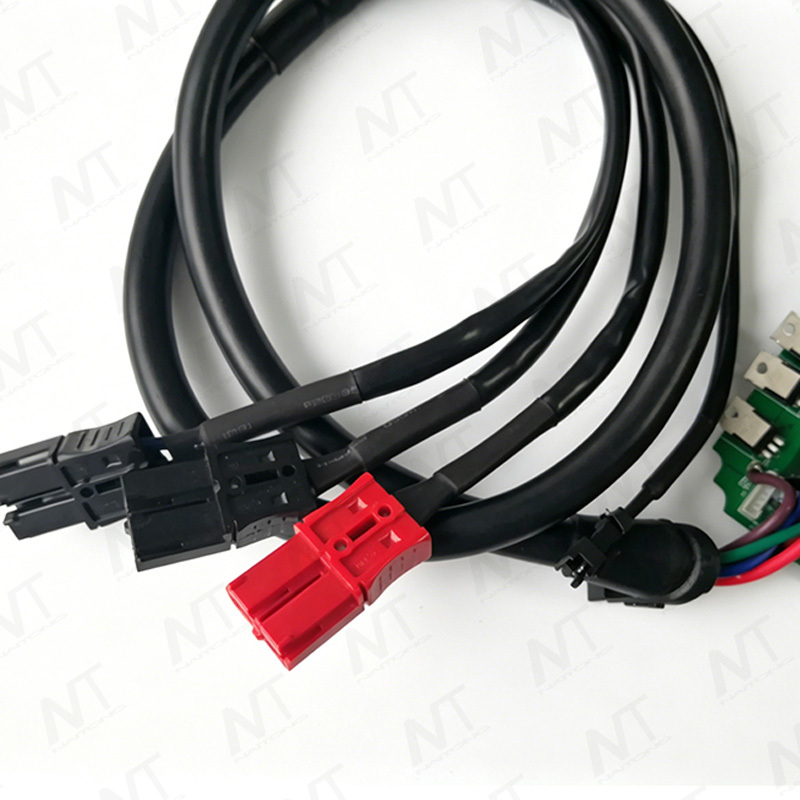
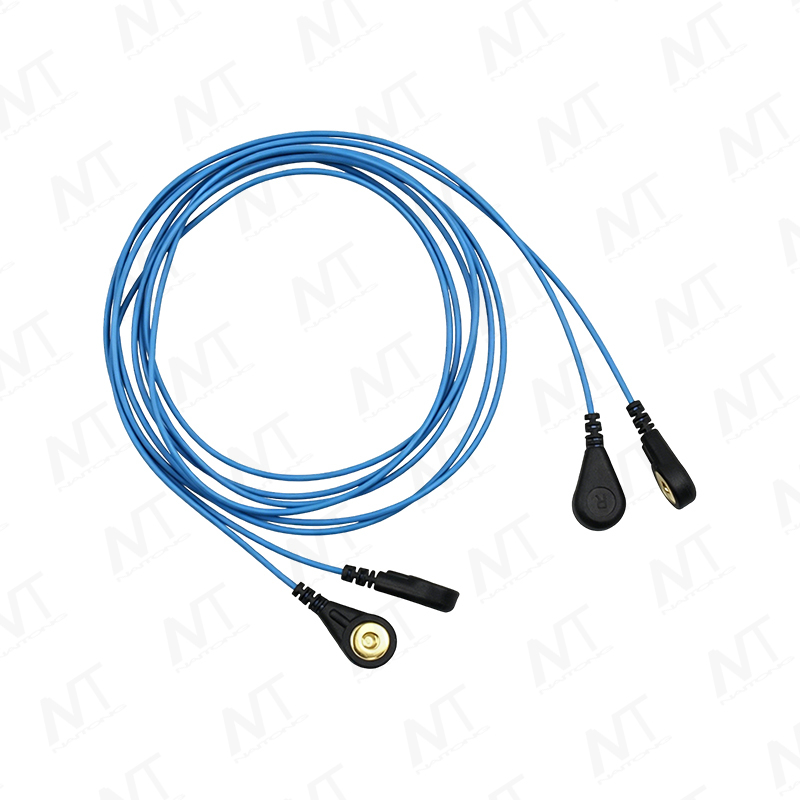













JIAXING NT ELECTRONIC TECHNOLOGY CO., LTD. designs and manufactures custom Medical Wire Harnesses manufacturer for diagnostic imaging, patient monitoring, surgical energy systems, in-vitro diagnostics and wearable medical terminals. Our Jiaxing facility and Ho Chi Minh City factory produce these assemblies under an OEM/ODM model that starts with drawing review or a performance brief and continues through sample validation to repeat mass production.
Medical harnesses carry stricter requirements than industrial assemblies: low leakage current, biocompatible insulation, stable signal integrity and documented electrical testing. We build each harness around the device's working voltage, signal type, sterilization method and installation path, then confirm the configuration through samples before production release.
Our Medical Wire Harness Range
Our medical range covers the connection points most often specified by device engineers, from internal integrated harnesses to external patient leads and high-current power links. Each type is configured to the host device rather than supplied as a fixed catalogue item.
Surgical Energy & Plasma Harnesses
Main-unit connection harnesses for low-temperature plasma and electrosurgical scalpels, transmitting RF energy, handle and foot-switch signals, and electrode status feedback with a safety circuit that monitors continuity.
High-Current Power Harnesses
D-Sub (3W3) and comparable high-current connectors with gold-plated contacts and braided conduit, used for electrosurgical generators, imaging power modules, ventilators and dialysis equipment.
Multi-Core Signal Harnesses
DB25 and D-Sub25 assemblies to flying leads or board connectors, carrying multi-channel ECG, EEG and EMG signals between electrodes, sensors and the main unit.
Sealed & Ethernet Interfaces
Waterproof aviation connectors to RJ45 plus 3-pin power, and RJ45 to M12 circular plug assemblies for imaging carts, bedside monitors and networked diagnostic instruments.
Internal Integrated Harnesses
Multi-branch internal wiring for device chassis, routing power and control signals between boards, modules and front-panel controls with defined bend radii and fixing points.
Patient Leads & Mobility Harnesses
ECG/bioelectrode snap lead harnesses and integrated power-and-control harnesses for electric wheelchairs, built for repeated flexing and frequent mating.
Where Each Harness Type Fits
The table below maps our medical harness types to typical device functions and the specification points that drive configuration. Final construction is confirmed against the device's electrical and mechanical requirements.
| Harness Type | Typical Device Function | Key Configuration Points |
|---|---|---|
| Plasma / electrosurgical main-unit harness | RF energy delivery, mode switching, electrode feedback | Silver-plated copper conductor, dedicated medical connector with foolproof keying, safety loop continuity |
| High-current power harness | Generator, imaging module and life-support power feed | D-Sub 3W3 gold-plated contacts, tinned copper conductor, braided abrasion protection, shielding |
| DB25 multi-core signal harness | ECG, EEG, EMG and patient monitor signal paths | Pin count and mapping, flying-lead length, shield termination, jacket material |
| Sealed / Ethernet interface harness | Networked monitors, imaging carts, diagnostic instruments | Aviation or M12 connector, RJ45 pinout, combined power and data routing, IP sealing requirement |
| Internal integrated harness | Chassis wiring between boards, modules and controls | Branch geometry, connector layout, bend radius, fixing method, overmolding |
| ECG snap lead harness | Bioelectrode to monitor connection | Snap style, lead length, flex fatigue resistance, patient-contact material |
Materials and Electrical Construction
We select conductors and insulation against the device's current, voltage, signal frequency and cleaning regime. Medical harnesses in our range use Cu-ETP1 tinned or silver-plated copper conductors to IEC 60601 reference, with PVC, TPU, TPE or silicone jackets and sheaths available in grades compliant with ISO 10993 for biocompatibility review.
- Conductors: tinned copper for general power and signal; silver-plated copper where lower contact resistance and higher-frequency energy transfer are required.
- Jackets and sheaths: PVC, TPU, TPE or silicone, selected for flexibility, abrasion resistance, fluid ingress protection and sterilization compatibility.
- Shielding: braided or foil shielding with defined termination to protect low-level bioelectric signals from power interference.
- Connectors: medical-grade circular, D-Sub, RJ45, M12 and snap connectors, matched to mating cycles and insertion force.
Configuration and Engineering Support
Our OEM/ODM process begins with drawing review or, when only a performance target exists, a joint evaluation of the application environment, space constraints and electrical requirements. We then propose harness structure, wire and material selection, connector matching and assembly method for sample validation.
Typical configuration decisions include:
- Harness routing, branch structure, fixing points and connector layout for the installation path.
- Wire gauge, insulation type and shielding based on current, voltage, temperature and signal sensitivity.
- Overmolding or low-pressure molding for strain relief, sealing and integration.
- Labeling, keying and pin assignment to prevent misconnection during assembly or field service.
Quality Control and Acceptance Testing
Every medical harness we ship undergoes 100% electrical and power performance testing before packing. Our quality system is supported by ISO 9001, IATF 16949, UL, RoHS, REACH and SGS documentation, and our wire harness production is listed under UL file ZPFW8.E502461 for Canada.
Acceptance criteria are agreed with the customer before production and can include continuity, hipot/dielectric withstand, insulation resistance, contact resistance and pinout verification. Test records and inspection reports are prepared according to the project's documentation requirements.
Manufacturing Capacity and Dual-Location Supply
Our Jiaxing facility covers approximately 10,000 m² with 30 production lines organized by product type, more than 300 employees and a daily capacity of around 300,000 pieces. A second factory in Ho Chi Minh City, Vietnam supports supply flexibility for overseas customers.
Production steps include wire extrusion, cutting, jacket stripping, crimping and welding, sub-assembly, overmolding, harness assembly, inspection and packing. Dedicated medical product lines and a laboratory support testing and reliability verification.
Information We Use to Configure Your Solution
To prepare a suitable proposal and sample plan, we work from the following project inputs. Where a detail is not yet fixed, we discuss the options during engineering review.
- Device type, function and the harness's role in the system.
- Electrical data: voltage, current, signal type, channel count and shielding needs.
- Connector specifications, mating interfaces and pin assignment.
- Mechanical envelope: length, branch layout, bend radius and fixing points.
- Environmental and cleaning conditions, including sterilization method.
- Material and biocompatibility requirements.
- Testing, documentation and acceptance criteria.
- Packaging, labeling and delivery scope.
Related Product Categories
Medical harness projects often sit alongside other connection requirements. Our related ranges include Electronic Wire Harness for control and signal assemblies, Signal & Data Cables for shielded data transmission, and Industrial Control Cables for equipment interconnection. Our full range is listed under Products.
Frequently Asked Questions
What information do you need to quote a custom medical wire harness?
We need the device application, electrical requirements (voltage, current, signal type), connector details, length and routing constraints, environmental and sterilization conditions, and any testing or documentation requirements. Drawings, BOM files or a sample are helpful; if only a performance target exists, we can support development through our ODM process.
Can you manufacture medical harnesses to our existing drawings?
Yes. Under our OEM service we manufacture to customer drawings, samples, specifications and connector selections, and can review process execution and quality control points to support stable production.
What testing is performed on medical wire harnesses?
We perform 100% electrical and power performance testing before shipment. Project-specific acceptance tests such as continuity, dielectric withstand, insulation resistance and pinout verification are agreed during configuration and documented accordingly.
Which certifications support your medical harness production?
Our quality documentation includes ISO 9001, IATF 16949, UL, RoHS, REACH and SGS. Wire harness production is listed under UL file ZPFW8.E502461 for Canada. Material compliance to ISO 10993 is available for jacket and sheath compounds on request.
What are your minimum order quantities and lead times?
Listed medical harness models carry a minimum order quantity of 1,000 pcs. Sample lead time is typically 15–25 days, and bulk orders are generally 3–4 weeks. Final quantities and schedules are confirmed with the quotation.
Do you support overmolding and custom labeling?
Yes. We support overmolding and low-pressure molding for strain relief and sealing, plus custom packaging, labeling and pallet arrangements to match your supply chain requirements.
 Cooperate with us