 English
The Evolution of Automotive Wire Harness: Adapting to High-Voltage Architectures in the EV Era
Automotive wire harness serve as the central nervous system of any vehicle, responsible for transmitting power and electrical signals across all onboard systems. As the global automotive industry continues its transition toward electrification, wire harness technology is undergoing substantial transformation — evolving from conventional low-voltage designs to sophisticated high-voltage, multi-circuit architectures capable of handling advanced battery, traction motor, and fast-charging requirements.
Comprehensive Product Categories for Diverse Applications
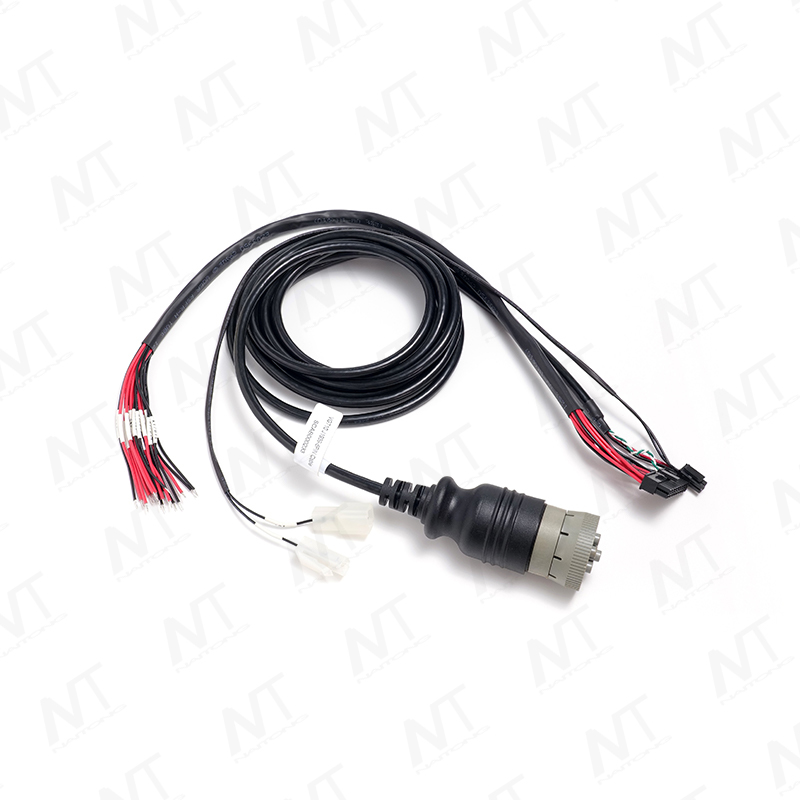
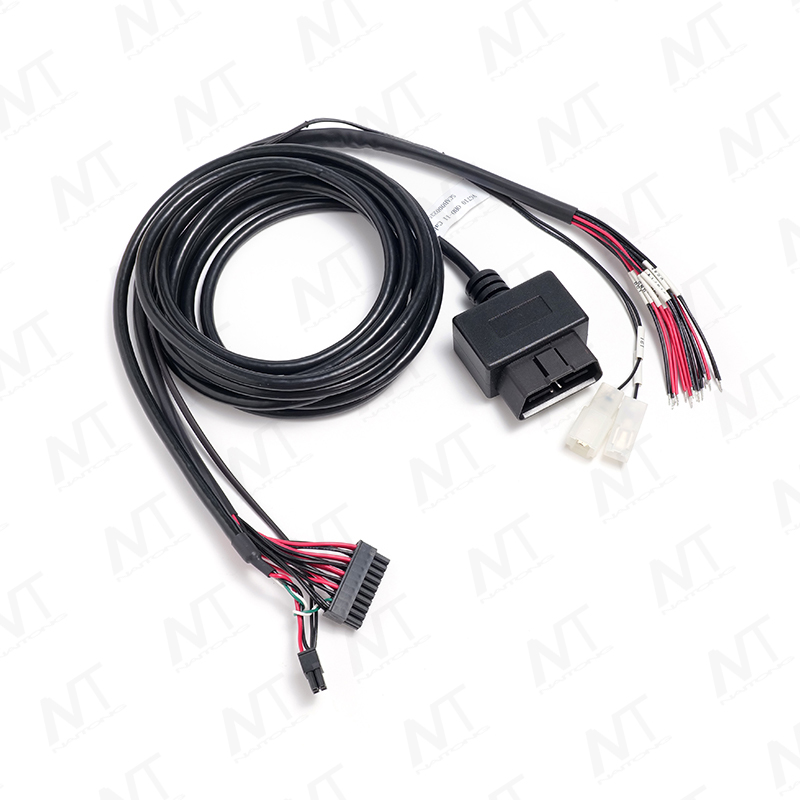
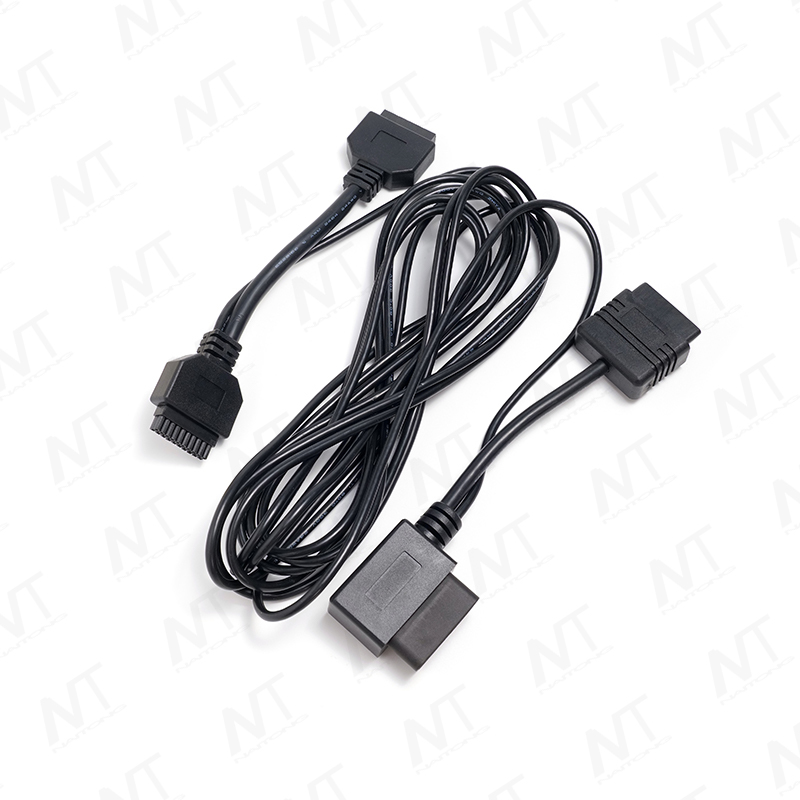
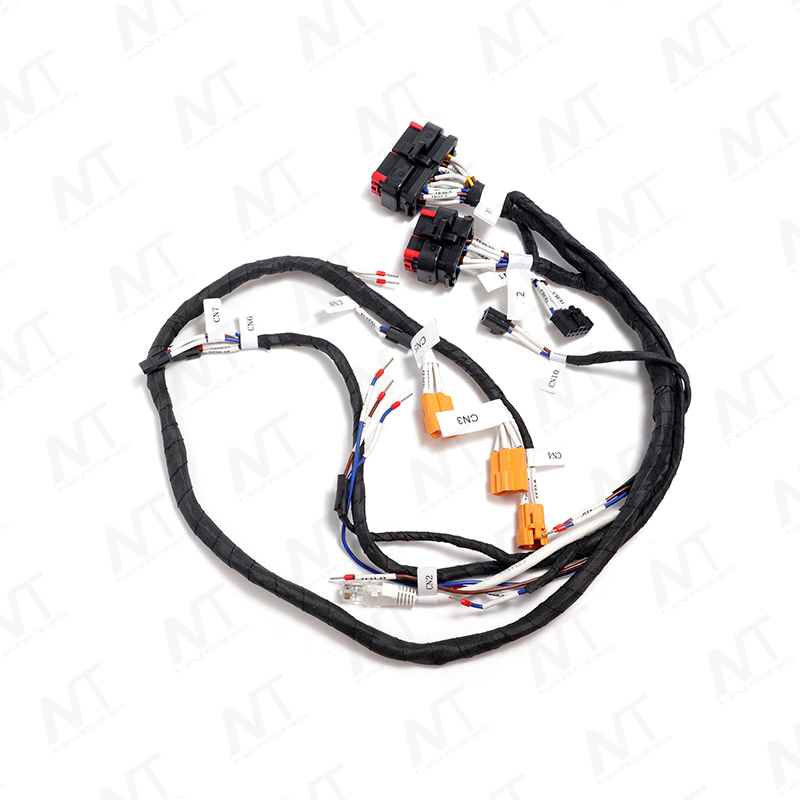
Modern wire harness solutions cover a full spectrum of vehicle applications. Main vehicle harness serve as the primary power and signal distribution backbone, while specialized engine harness, body harness, and chassis harness address specific subsystem requirements. For new energy vehicles, dedicated high-voltage harness have become critical components, engineered to safely manage the significant electrical loads in battery electric vehicles (BEVs), hybrid electric vehicles (HEVs/PHEVs), and fuel cell electric vehicles (FCEVs).
These products support both original equipment manufacturer (OEM) production lines and aftermarket replacement applications across passenger cars, light commercial vehicles, and heavy-duty commercial vehicle segments. Industry data indicates the global electric vehicle wire harness market is projected to experience steady growth over the coming decade, driven by accelerating EV adoption across major automotive markets.
Technical Requirements for EV Wire Systems
Compared to traditional internal combustion engine designs, electric vehicle wire harness demand enhanced performance characteristics across multiple engineering parameters. Superior electromagnetic shielding has become essential to prevent interference between high-voltage power circuits and sensitive electronic control units, sensors, and infotainment systems.
Higher thermal ratings are another critical requirement, as high-voltage components generate significant heat during operation and DC fast charging. The industry is currently transitioning from conventional 600V system architectures toward higher voltage platforms, with many next-generation EVs adopting 800V systems to enable faster charging and improved efficiency. This transition requires insulation materials and connector designs capable of maintaining reliable performance under increased electrical stress.
Specialized connector standards specific to high-voltage applications have been developed throughout the industry, incorporating keying features, touch-safe protection, and high-voltage interlock mechanisms. Weight reduction has also emerged as a priority, as reducing vehicle mass directly improves driving range — manufacturers are exploring aluminum conductor alternatives and optimized routing designs to decrease harness weight without compromising current-carrying capacity.
Quality and Reliability Considerations
High-quality wire harness deliver robust electromagnetic compatibility (EMC) performance, ensuring that electrical noise from high-power components does not disrupt vehicle systems. Precision terminal crimping represents a fundamental quality factor, as properly executed crimp connections maintain consistent electrical resistance and mechanical strength over the vehicle's service life, even under vibration and thermal cycling conditions.
Stringent IP-rated sealing protects connections from moisture, dust, and chemical exposure — particularly important for under-hood, under-chassis, and exterior-mounted components. Sealing integrity directly impacts long-term reliability, preventing corrosion that could lead to resistive heating, intermittent connections, or electrical failures.
These engineering elements collectively contribute to electrical safety and long-term vehicle reliability. As vehicle electrical systems continue to increase in complexity with advanced driver assistance systems, connected car features, and higher levels of electrification, wire harness technology will continue to evolve to meet the industry's changing requirements.
Recommended Products
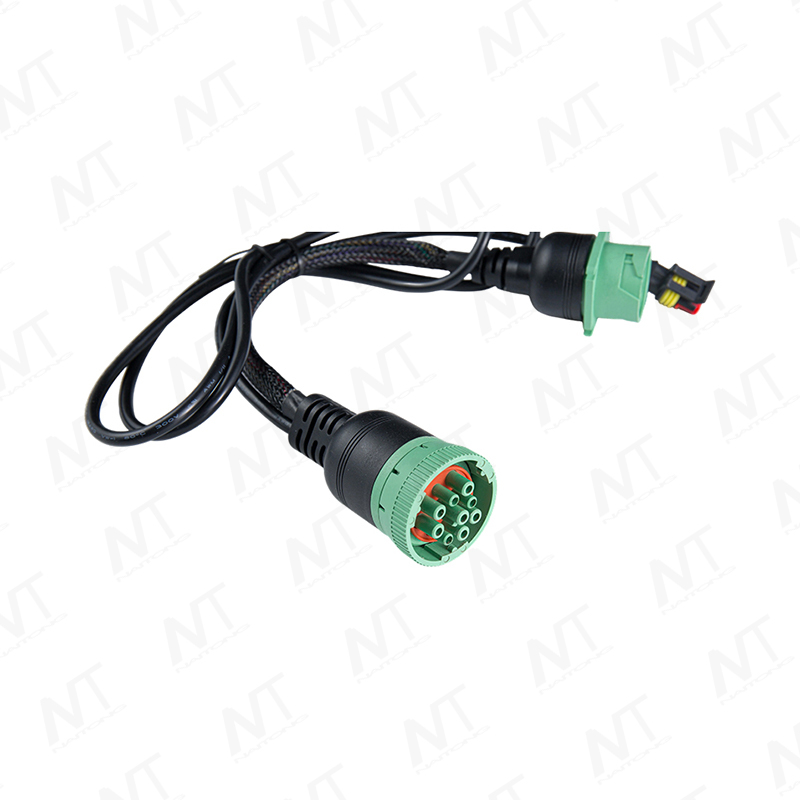
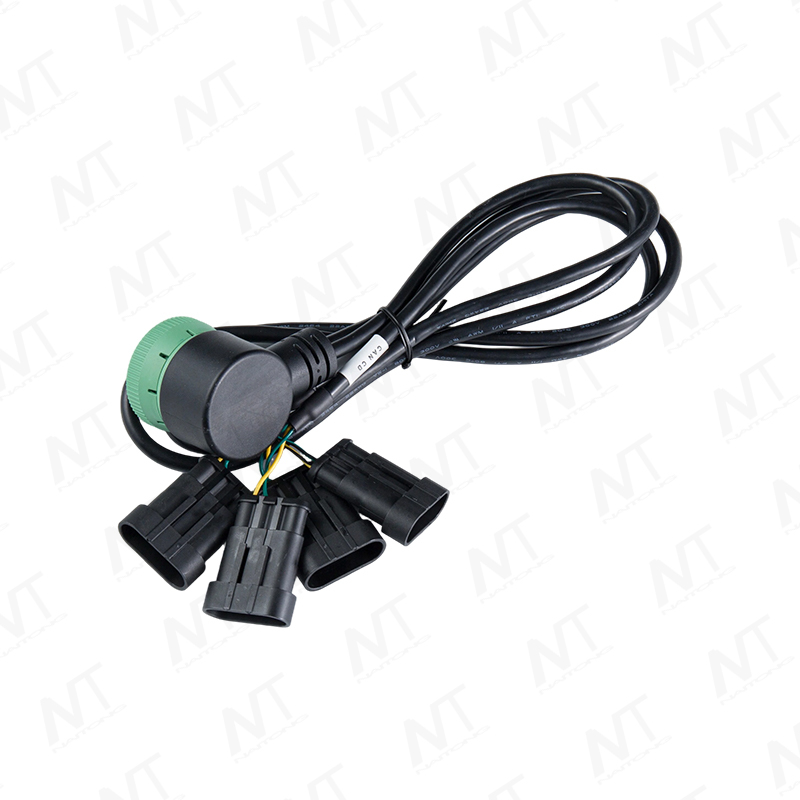
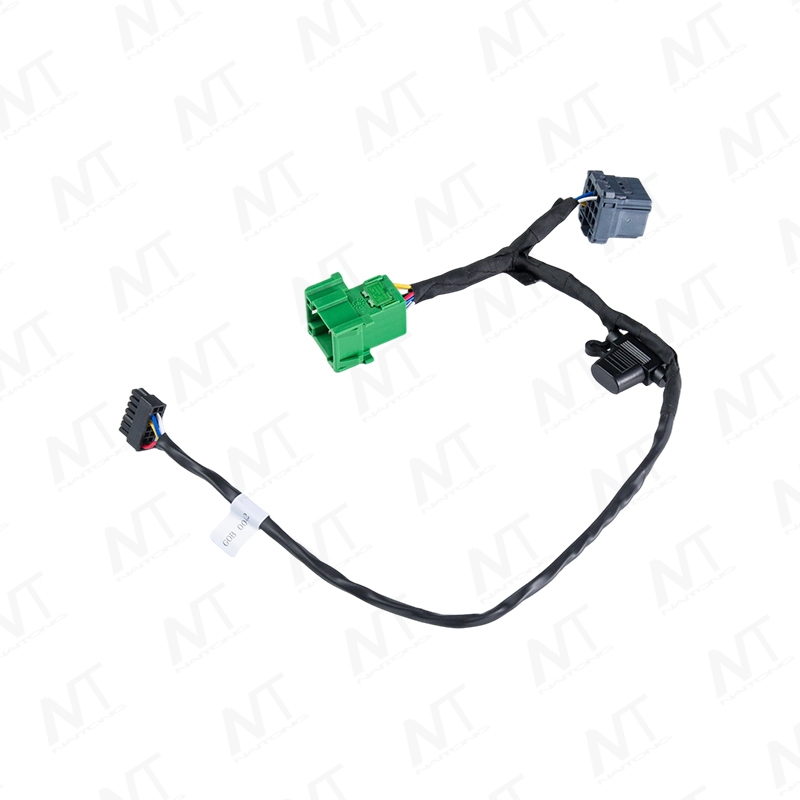
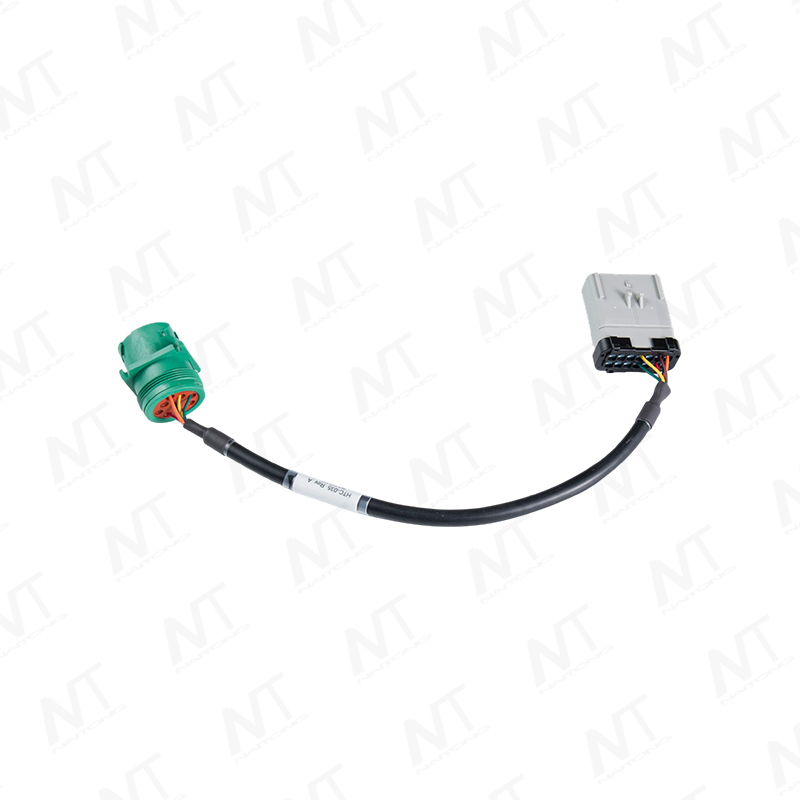
Contact Us
 Cooperate with us
Cooperate with us

Contact Us
-

Telephone:
+86-0573–82791220
+86-0573-83981882
-

Mobile phone:
+86-13736458379
+86-17506661888
-

Email:
shawn.p@jxnaitong.com
ft01@jxnaitong.com
-

Address:
No. 2889 Zhongshan West Road, Jiaxing City, Zhejiang Province, China
Factory C7.05, Plot C-7-CN, N17 Road, Bao Bang Industrial Zone Expansion, Bao Bang Village, Ho Chi Minh City, Vietnam.
Copyright © JIAXING NT ELECTRONIC TECHNOLOGY CO., LTD.
